 “It was the best of times, it was the worst of times, it was the age of wisdom, it was the age of foolishness, it was the epoch of belief, it was the epoch of incredulity, it was the season of Light, it was the season of Darkness, it was the spring of hope, it was the winter of despair…”
Zigg’s Thoughts
As anybody who’s ever been on the receiving end of it can attest, one of the most damning things anybody can say to you is ‘I’m not mad, I’m just disappointed’. It’s not lightly, then, that I declare that’s the perfect description of my feelings towards Kamen Rider Gotchard. There’s a huge amount of good stuff here, some terrific moments, some hilarious skits, some fun characters. But in the end, the show is unable to pull it together in a satisfactory way, and ends up squandering the vast majority of that potential. At times, Gotchard could legitimately be called one of the best Kamen Rider shows of the past decade. Too often, regrettably, it might actually be one of the worst.
One of the most intriguing things about Gotchard is that it’s actually possible to fairly easily divide the show into good and bad portions. To put it bluntly, the first half of the show is good, the second half is bad. There are certain structural reasons for this, as well as a number of nebulous behind the scenes ones, but for now let’s go about dividing this review up in a similar way. We’ll start by talking about why the first half was so good, before moving onto the mistakes it makes as it barrels towards its conclusion.
 I was actually a little lukewarm on Gotchard at first, but the episodes which followed the debut did a lot to assuage some of the fears I expressed in the First Look. Perhaps what was most gratifying was that Gotchard immediately worked to set up interesting and substantial character arcs for most of its core cast, and proceeded to develop them with no small degree of skill. The standouts here have to be the Abyssalis Sisters, who are some of the more complex villains we’ve seen in recent shows, and who each get their own plot arc that still weave together pretty effectively. Despite my fears, Itono Okita is actually really good as Atropos, which is important as she has to shoulder quite a lot of the most dramatic moments in the show, and she’s ably supported by Kanon Miyahara and Alisa Sakamaki, who also get solid plotlines to deepen their respective characters.
Second Rider Spanner also gets a decent character arc as he becomes increasingly frustrated at his relative impotence against the bad guys, culminating in what’s probably the single best episode of the show, episode 20, a Spanner focused episode where the monster of the week torments him by repeatedly resurrecting his dead parents and killing them again. It’s a great example of how well tokusatsu melodrama can work, taking something that’s theoretically horrific (and is treated as such in-world) and escalating it to a level where it becomes a hilarious joke instead. The first half of the show is generally really good at this, balancing judicious character and plot advancement with a light, breezy atmosphere that makes the comedy interludes feel fun and refreshing rather than egregious and forced.
 This attention to character and tone are typical of writing which is focused and restrained, carefully building out the greater story largely without resort to egregious plot dumps and clunky ‘as you know’ dialogue. Head writer Keiichi Hasegawa has a history of writing tightly scripted, character-focused dramas, including perpetual GLORIO favourite Rage of Bahamut: Genesis as well as Trigger masterpieces Gridman and Dynazenon, and a lot of that care is visible here. There’s solid pacing, a decent array of hints at a broader conspiracy to be uncovered, and some nice flourishes, like how the ‘Future Gotchard’ arc never actually comes out and says that our mysterious benefactor is in fact an alternate timeline Hotaro, but is confident it’s clear through the abundant clues in the writing. It’s good stuff!
 What happened then? Where does the rot set in? Well, the obvious first sign of trouble begins at episode 33. This is a pivotal point in the narrative – our main villain for the first half of the show has been dispatched and replaced by the supposed big bad, Abyss King Gigist. The allegiance of three Sisters is up in the air, and it’s unknown how our heroes will react to having to face a new threat. Naturally then this is the perfect time to…suddenly cut into a three-episode crossover story arc that has nothing to do with the main plot of Gotchard. It’s a terrible idea even in concept, but what twists the knife even further is how unbearably awful the content is. Gotchard is completely shoved out of the spotlight for Kamen Rider Legend, a completely empty character who’s basically just Decade with a gold paintjob and an aggravating catchphrase. Seiichiro Nagata’s gutless performance and rancid dialogue is totally devoid of the insouciant swagger of Masahiro Inoue’s Tsukasa, which was the only thing which made this sort of character even remotely bearable to begin with. The result is a plot arc that feels utterly disposable and one thousand percent corporate mandated, where the show sheds even the pretence of being anything other than a commercial and panders to the base with open desperation that would be sad if it weren’t so hilariously craven.
 The show tries desperately to rerail itself after Legend thankfully makes his exit, mostly by pretending none of that stuff ever happened, but it’s a sucking wound that the story can never quite recover from. What doesn’t help is that the quality of writing and plotting noticeably drops off as we move into the back half of the show. Hasegawa only writes three episodes after the crossover arc, and instead writing is largely taken over by the combo of Hiroki Uchida and Akiko Inoue, both of whom seem…much more limited in comparison. To be clear, I’m not necessarily saying if Hasegawa had stayed the show would have continued to be good, but it’s hard not to notice the correlation between his absence and the precipitous decline in quality. What the last twenty or so episodes of the show unfortunately reveal is that many of the issues we’ve been complaining about in Kamen Rider shows for years now were still present in Gotchard, they’d just been backloaded or papered over by better writing. So we’ve still got an abundance of largely redundant extra Riders, a bloated cast that could do with slashing down, and most damagingly of all a seeming inability to commit to a single villain who can command the plot for the run-in to the finale.
This last point was also a big issue in Geats and Revice and has sort of taken root as an ‘original sin’ for most of the Reiwa-era shows, even the actually-pretty-good Zero-One. The first half of the show has Geryon, who’s a little generic but mostly works due to an imposing presence and some high-quality scenery chewing by Kenta Kamakari. After that we’re introduced to Gigist, who as the creator of the Chemies and the dark power behind Geryon makes logical sense as the big bad. The thing is though that the show almost immediately undercuts his threat, first through having his super monster trounced in the Legend arc, then by Gotchard immediately gaining his Ultimate form and kicking the crap out of him. In other words, Gigist fails at everything before we even have a chance to see him succeed at anything. The show then compensates for this by resurrecting Gigist and introducing his ‘siblings’ Germain and Gaelijah, who are basically just Gigist but with different stock personalities (Germain is boisterous and gay-coded, Gaelijah is sexy and seductive) and thus are instantly non-threats.
 Seemingly realising that its supposed boss monsters are in fact about as threatening as a sunny afternoon, the show then resurrects and reintroduces Geryon as the true final opponent. The problem with this is that Geryon just doesn’t have enough substance to be the big bad of this, or any, story. His ambition is to turn the entire world to gold because….actually, you’ve got me there. For even the most generic doomsday villains, ‘take over the world’ is at least an ambition relatable enough to set the stakes appropriately. But Geryon is just utterly devoid of meaningful motivation, and as a result all the battles against him just feel like going through the motions. Why is he even doing this? The show doesn’t care enough to provide anything more than a surface-level answer, and as a result the viewer feels like an idiot for even asking. Even the final battle is a colossally half-hearted affair – Geryon succeeds in turning Hotaro into gold, and then Hotaro is able to break out, destroy Geryon, and create a frickin’ duplicate Earth through…just really, really wanting to I guess. I’m not demanding exacting plot detail in my children’s shows about the power of friendship, but come on, you can do better than that.
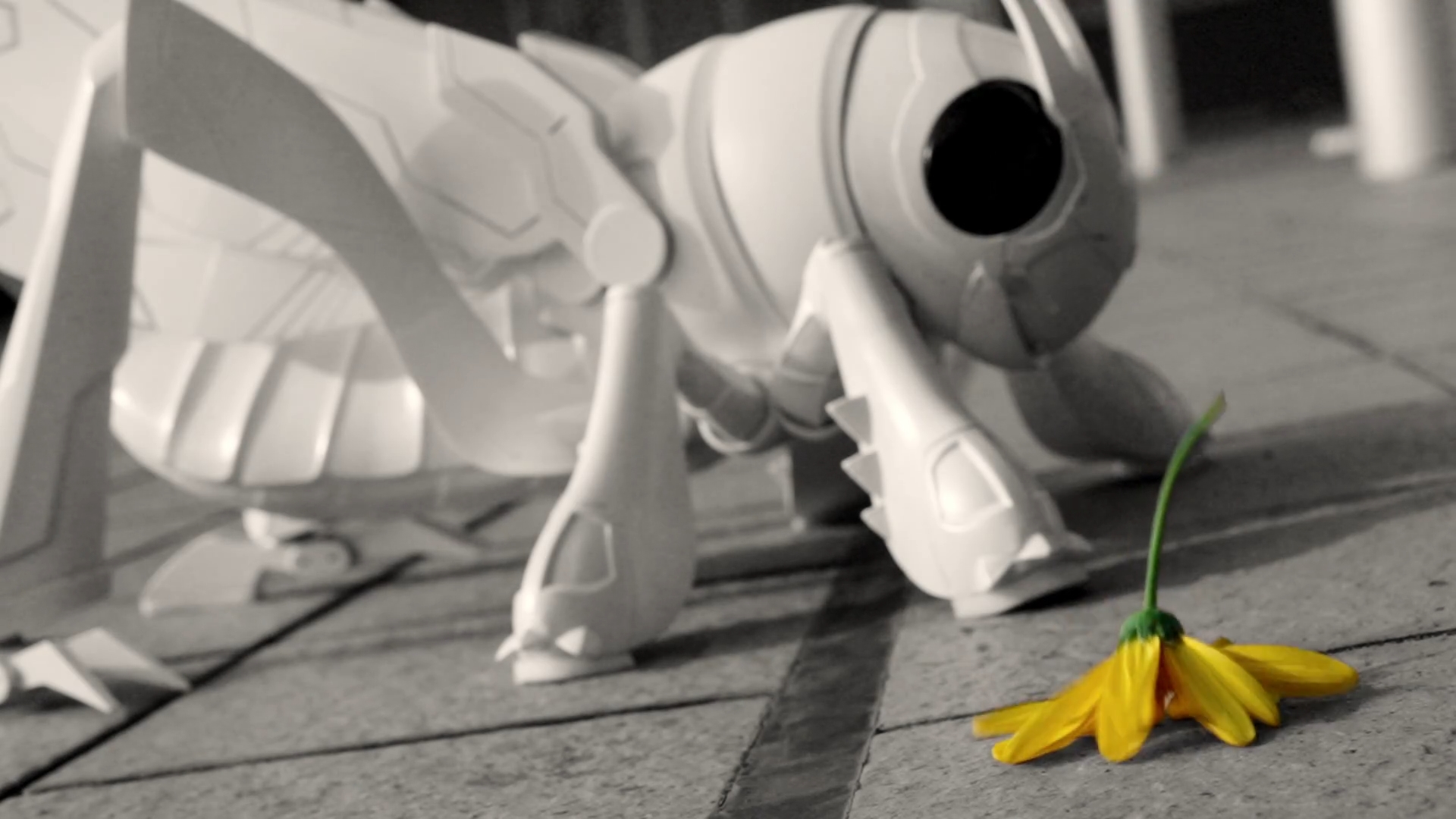
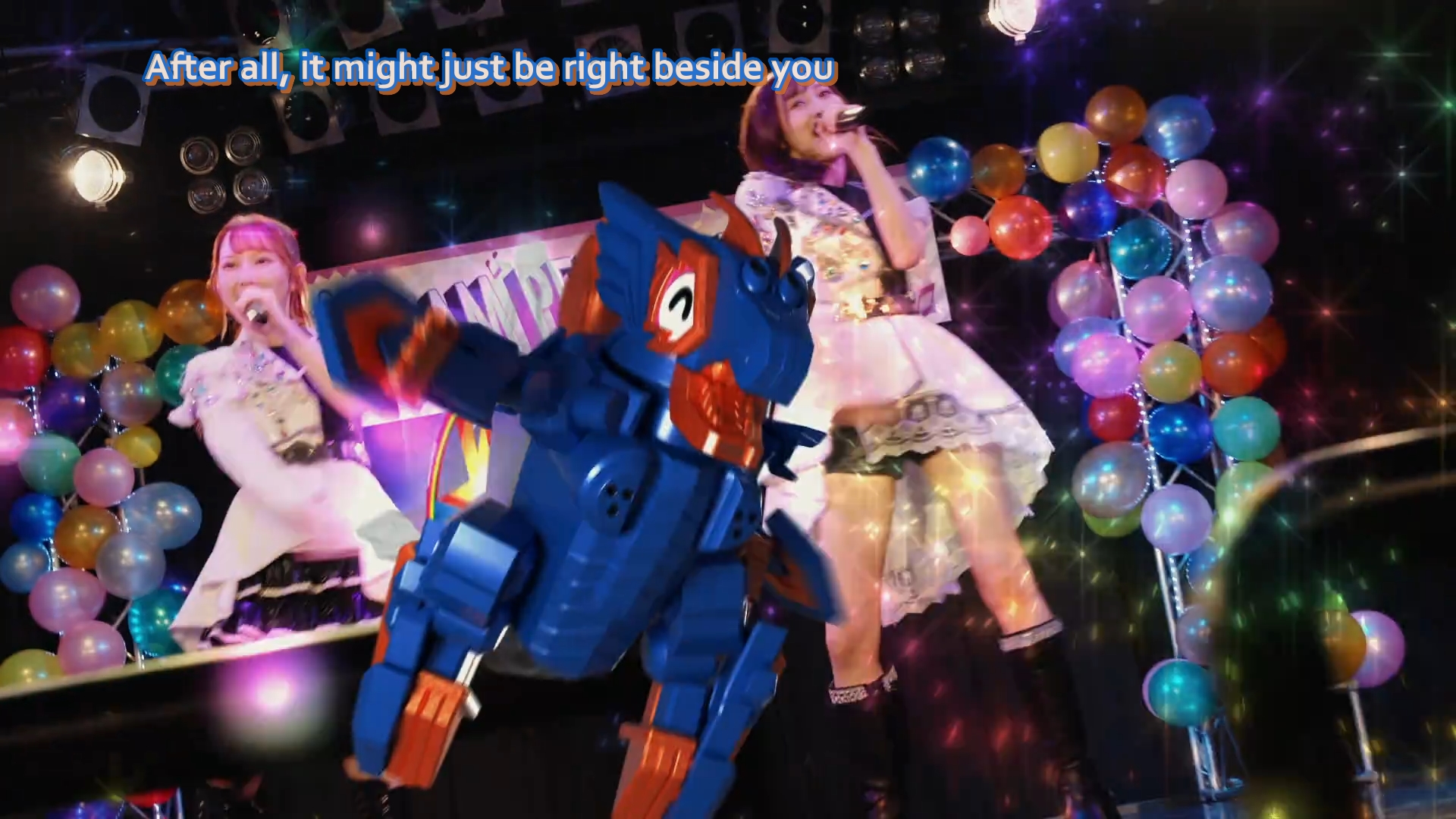 Time and time again the back half of the show reveals itself to be utterly uninterested in answering the questions or completing the arcs that the first half spent time and care setting up. Clotho’s quest for power? She ends up being tossed from villain to villain as a disposable jobber to the Riders before being unceremoniously killed off. Lachesis’s unease with her growing humanity and newfound alliance with the Alchemists? Half-heartedly alluded to a few times before being killed off in the penultimate episode, an act which causes basically no impact at all on anyone, even Spanner. Atropos and Rinne’s weird relationship..thing going on? Epically botched when it’s revealed that Rinne was the human template for Atropos, a twist which makes no sense on several levels, followed by, yes you guessed it, being killed off. The burgeoning love story between teenage boy and toy grasshopper? RUINED FOREVER by the arrival of Nijigon, the Scrappy-Doo of Kamen Rider who at least, in his team-up with the Kamen Rider Girls, provides us with one of those moments of utterly transcendent badness that will live long in the memory.
What this all boils down to is me once again asking the question that I feel like I’ve asked at the end of every Rider show for the past few years. Is it even possible to tell a good Kamen Rider story any more, such are the external demands on the production? Many of Gotchard‘s problems – the obnoxious crossover, the surfeit of Riders, the excessive focus on the merch – are obviously driven by the demands of Toei/Bandai corporate, and the need for the franchise to justify its continued existence. Weirdly though, I think the show, or its first half at least, are something of a rebuttal against that thesis. Kamen Rider can be good despite all these onerous requirements, and for quite a while it was! Gotchard didn’t ultimately fail because of mandates from the suits, it failed simply because the previously good writing became very bad writing. That’s a bitter pill to swallow, but a true one. Gotchard provided many great moments, memorable battles, and terrific laughs, but the show was ultimately a castle built on sand, which crumbled when the going got tough. I’m not mad, I’m just disappointed. Random Observations
- I can’t wrap up Gotchard without honouring Rinne’s actress Reiyo Matsumoto with the Kathy Ireland Award for Emotional Range. Look, she’s just a kid, the character is meant to be stoic, and the material is often less than good. But man, the acting more than lives down to it.
- The identity of Hotaro’s dad is one of those non-twists that makes you just kind of go ‘Wait, what?’
- Kajiki is the best character in the show by quite a long way. All my bros love Kajiki.
- Special thanks to the crew at EiGo for providing the fansubs we used.
- Keep your eyes open for a First Look post for Kamen Rider Gavv. I’m sure this’ll be the one!


 The Glorio Blog