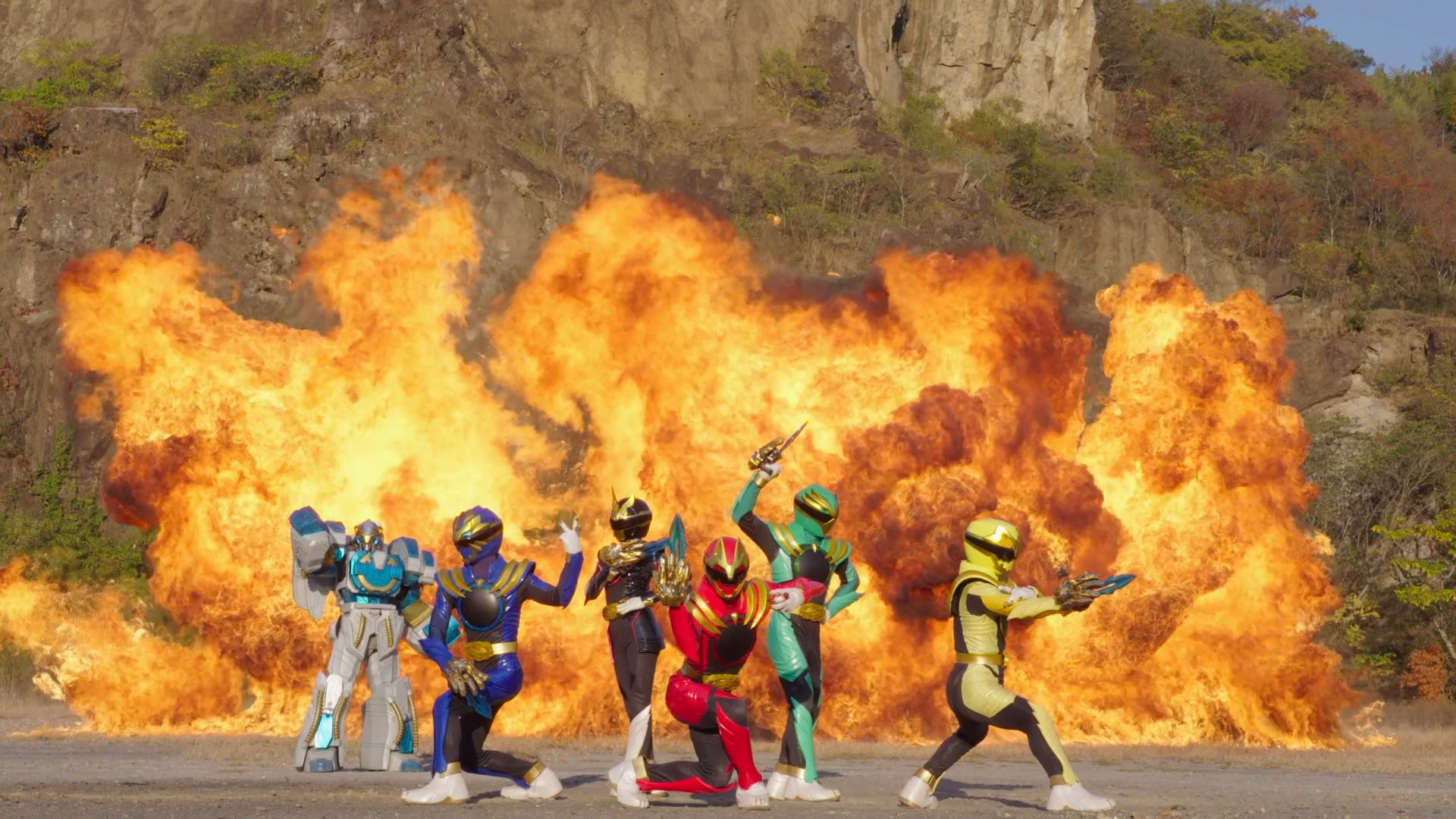
This is the first time that I’ve been to a birthday party that turned into a funeral halfway through.
Zigg’s Thoughts
This should have been a triumph, a victory lap for the franchise. Coming off of the most enjoyable entry in the last couple of years in Bakuage Sentai Boonboomger, everything seemed primed for a big, joyous 50th anniversary celebration that would remind the world of the rich history of the Super Sentai series and affirm that even after all these years the show remained an iconic part of Japanese entertainment for a reason. Instead, what with the announcement in November that Super Sentai would go on hiatus after the conclusion of this show, what should have been a celebration turned into a drawn-out goodbye.
The truth is though, that the rot had set in on Number One Sentai Gozyuger long before that announcement was made, and after viewing the show to completion it’s hard to come to any conclusion other than agreeing with Toei that the series needs to go on ice for a while. What should have been the crown jewel in a year of celebration instead became the final nail hammered into the coffin. Gozyuger is a poor anniversary celebration, but more importantly it’s just a bad television show by any standards. To be clear the cancellation of Super Sentai was almost certainly decided before Gozyuger even hit the air (and was absolutely dictated by falling merchandise sales rather than something as ephemeral as the quality of the show) but it’s darkly ironic that the axe would fall on an instalment which so clearly demonstrates the tiredness and flaws of the formula.
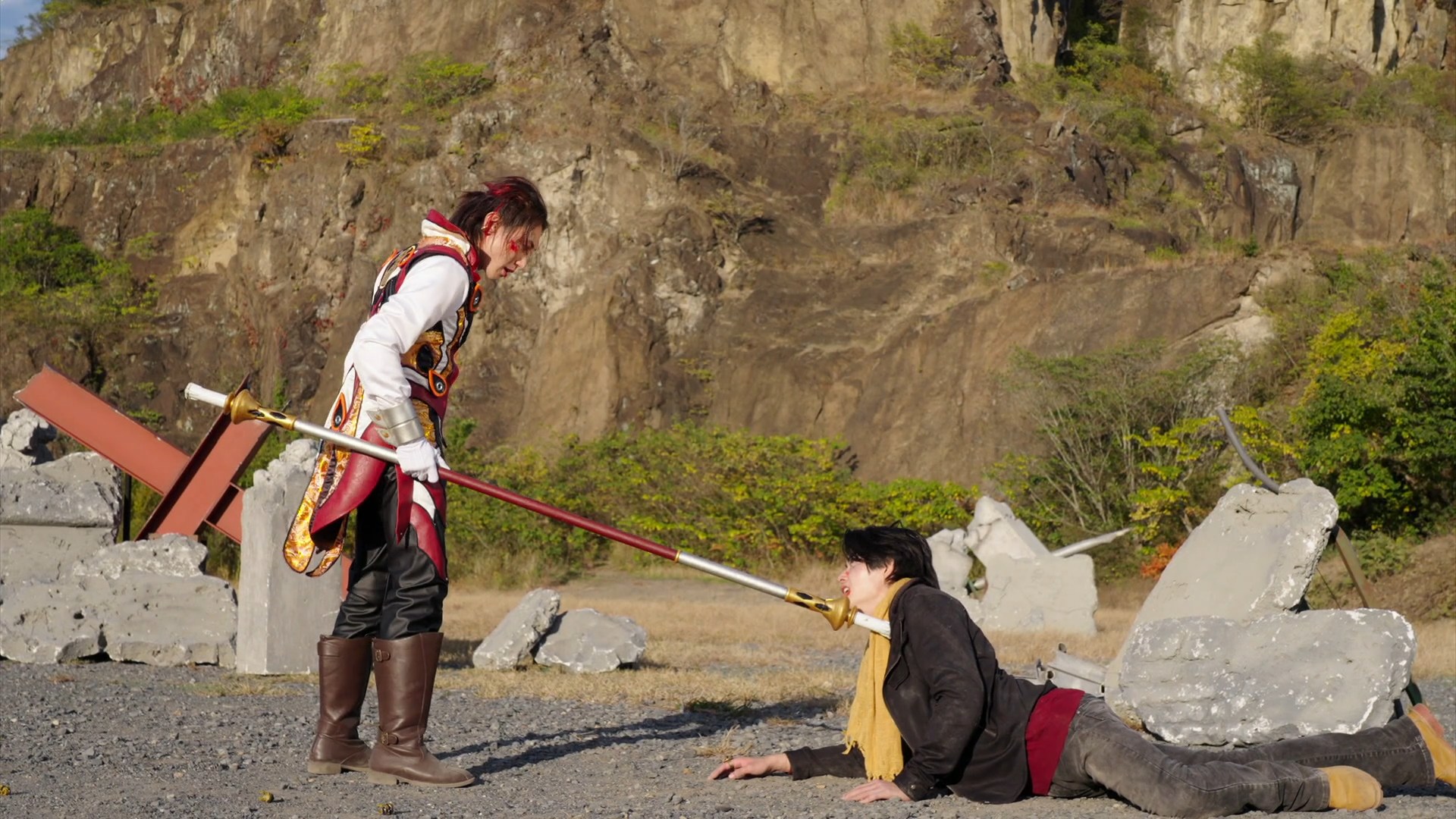 It’s very easy to identify the thing which ultimately makes Gozyuger so flimsy and disposable – it’s the overall story structure. While individual episodes can be solid or even good fun, the show is plagued by absolutely terrible long-term plotting and an almost schizophrenic inability to focus on arcs or build up necessary story points. This is most obvious in the treatment of ‘The Calamity’, the ragtag bunch of monsters who end up as the ultimate foes of the entire story. They appear only a handful of times, with almost no foreshadowing or attempts to establish their motivation or history, and are invariably killed off after only an episode or two of presence. Unsurprisingly, this makes them incredibly shallow and disposable villains, which even the writers themselves seemed to realise, given that they’re shoved aside to instead promote regular baddie Fire Candle to the role of last boss. Fire Candle might honestly be the most memorable character in the show, aided greatly by Daisuke Sambongi’s delightfully over-the-top performance, but he’s spent most of the show as a goofy sitcom nemesis to the Red Ranger that he’s just not credible as a big bad, making this more of a case of ‘least worst option’ rather than genuinely feeling like a culmination of his character.
Time and time again we see the show squander any sort of opportunity for satisfying plot arcs in favour of quick, tossed off resolutions that fail to do anything interesting with the story. Elements like Hoeru’s evil brother Kuon, or Rikuo’s old friend Rei, offer chances to dig into the backstory of our main characters and learn some of their history and flaws. Instead, the writing lingers on cliched elements and the most simplistic possible interpretation of the ‘evil friend’ storyline, before wrapping up their stories abruptly and shoving them off to the side. The plot’s determination to meander aimlessly between substories, never able to focus in and really get into the meat of a particular narrative, makes it dangerously easy to be apathetic and uninvested in anything that’s happening onscreen. A lot of this can be laid at the feet of first-time head writer Akiko Inoue. Daughter of infamous veteran tokusatsu scribe Toshiki Inoue, it would be cruel indeed to suggest she landed her position through nepotism, but I’m not really seeing an alternative explanation, given the egregious writing problems on display.
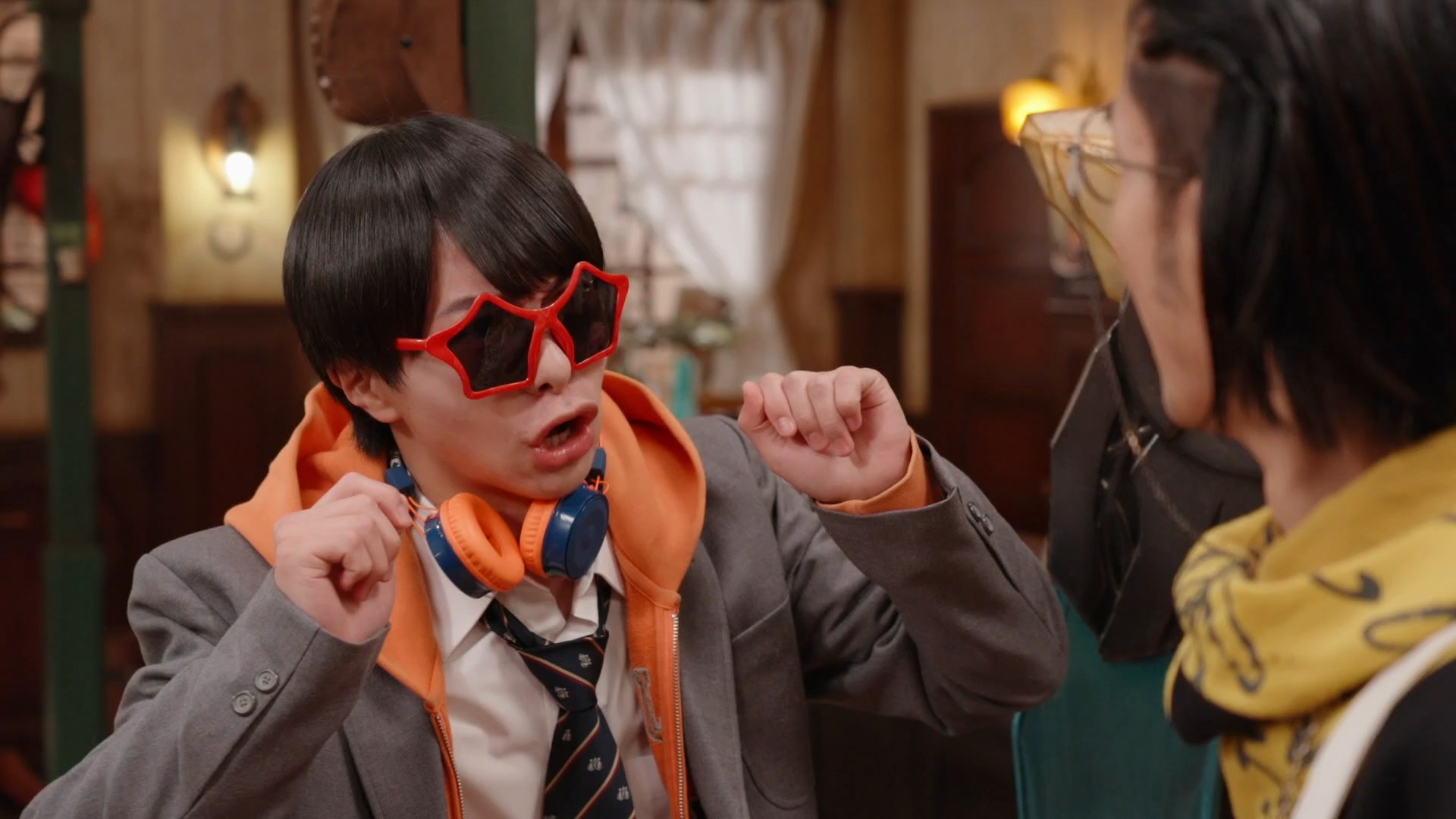
This bad writing also hamstrings our relationship with the main characters. Given how much time you’re going to be spending with them, making the Sentai team likeable or at the very least interesting is vital, but it’s another place where Gozyuger drops the ball. Red Ranger Hoeru is just sort of a bland, anonymous presence and while Mio Fuyuno is doing his best to ham it up, he just doesn’t have the charisma necessary to make something out of the table scraps he’s given. Blue Ranger Rikuo is just a stew of generic idol cliches and plots, while Yellow Ranger Ryugi wrings a few laughs out of his religious nutter schtick (and actor Masakazu Kanda is clearly throwing himself into it) but is also perhaps the most badly affected by indecisive characterisation, most notably in the arc where he quits the team and then returns a mere episode later. More successful in a comedic role is Green Ranger Kinjiro, who benefits from a good gimmick, a couple of decently restrained focus episodes, and a light-touch performance from Jin Matsumoto, occasionally ably aided by admirably game veteran Masaki Kobayashi. Sixth Ranger Kumade is probably my actual favourite member of the team, being an arrogant jerk and smug asshole with a heart of gold. It’s a pretty cliched archetype but it works here as an effective contrast to the rest of the team, who lean a little bit too much towards being goody-
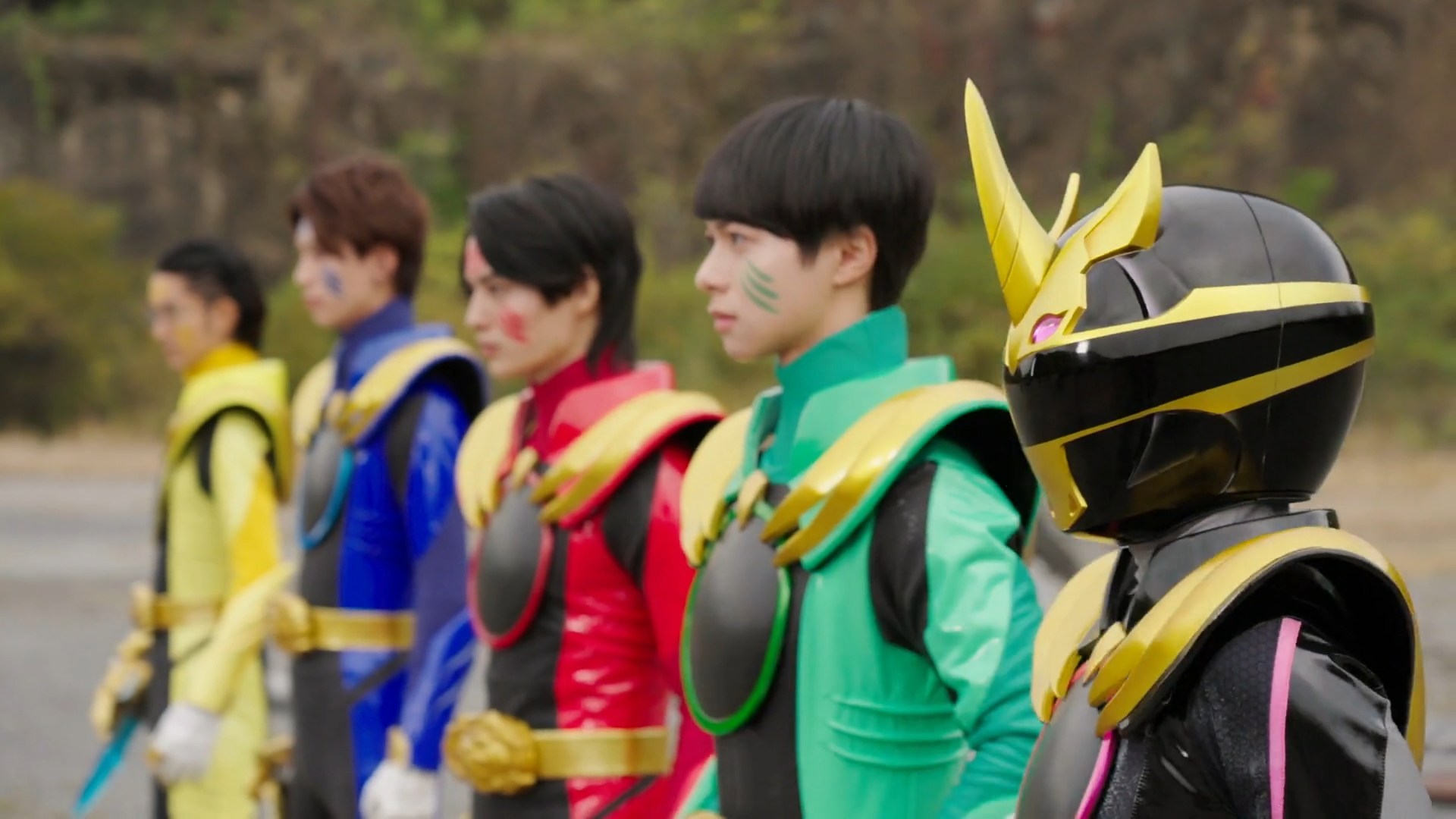 Then there’s Black Ranger Sumino, whose convoluted saga deserves its own explanation. Up until episode 36, Sumino is a perfectly bland member of the team who suffered slightly from being the only female member and therefore having all of the ‘girly’ plots dumped on her by default, but she was likable enough and Maya Imamori delivered a fairly charming performance. However, after episode 36 Imamori was allegedly caught underage drinking (the legal drinking age in Japan is 20 – Imamori was four months away from her 20th birthday) and predictably brutally unpersoned by her agency, Toei, and pretty much the entire Japanese entertainment industry. Leaving aside the moral implications of this decision (it sucks for the record!) the knock-on effect it had on the production of the show was nothing less than catastrophic. Toei recast the character with Kohaku Shida but were unwilling or unable to reshoot all the scenes that Imamori had appeared in for future episodes. What this meant is that the last quarter of the show turned into a by turns hilarious and embarrassing game of ‘spot the amateurish edit used to cut Sumino out of the existing footage’. Be it an awkwardly cropped group shot, a blatant piece of cut-in footage, or the occasional crappy digital removal, all this mucking around basically destroys any remaining pacing or structure the show possessed. Super Sentai is a show about teamwork and having one character be basically absent except for occasional inserts of her on a greenscreen is death to any sense of affection for the group. She’s not even in the final morphing sequence for the last battle! At the very least it’s distracting but too often it just sails into plain embarrassing.
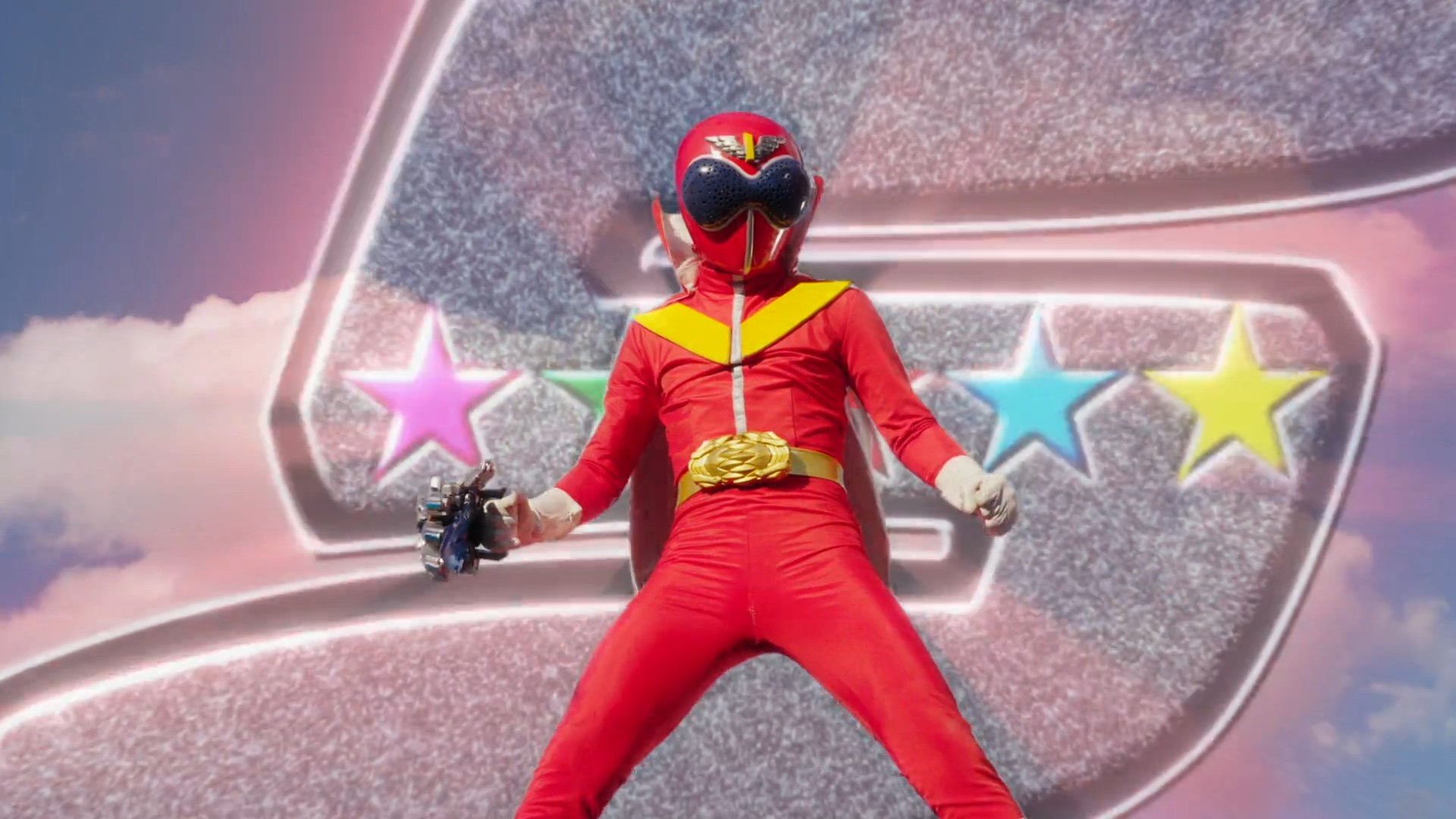 It’s a bitter pill to take for those of us who loved the series, especially as this time there’ll be no chance for an immediate bounce back. I don’t think that Gozyuger‘s failure spells death for the Super Sentai formula – the series has suffered through bad instalments before and has always eventually bounced back – but it is a little galling that it hit a low point timed precisely with the end of an era. After watching through Gozyuger I think I’m increasingly of the mind that Toei’s decision to put the franchise on ice for now was the right one, even though it was made for purely commercial rather than artistic reasons. Lots of people have been mentioning Kamen Rider‘s 11 year hiatus between 1989 and its triumphant return with Kamen Rider Kuuga in 2000, and speculating whether Super Sentai could do the same thing. I’m a little more wary – the year 2000 is very different from a tentative date in the 2030s – but it does seem hard to deny that a new approach is needed if Sentai is to become both narratively and commercially viable again. Given how ubiquitous nostalgia mining in media has become these days, I’d be shocked if its absence is as long as a decade, but right now nobody can really say for sure. Gozyuger may have been an inauspicious way to end a chapter, but one of the reassuring things about Super Sentai is that there’s always a fresh adventure waiting round the corner. The road might just be a little longer this time.


 The Glorio Blog