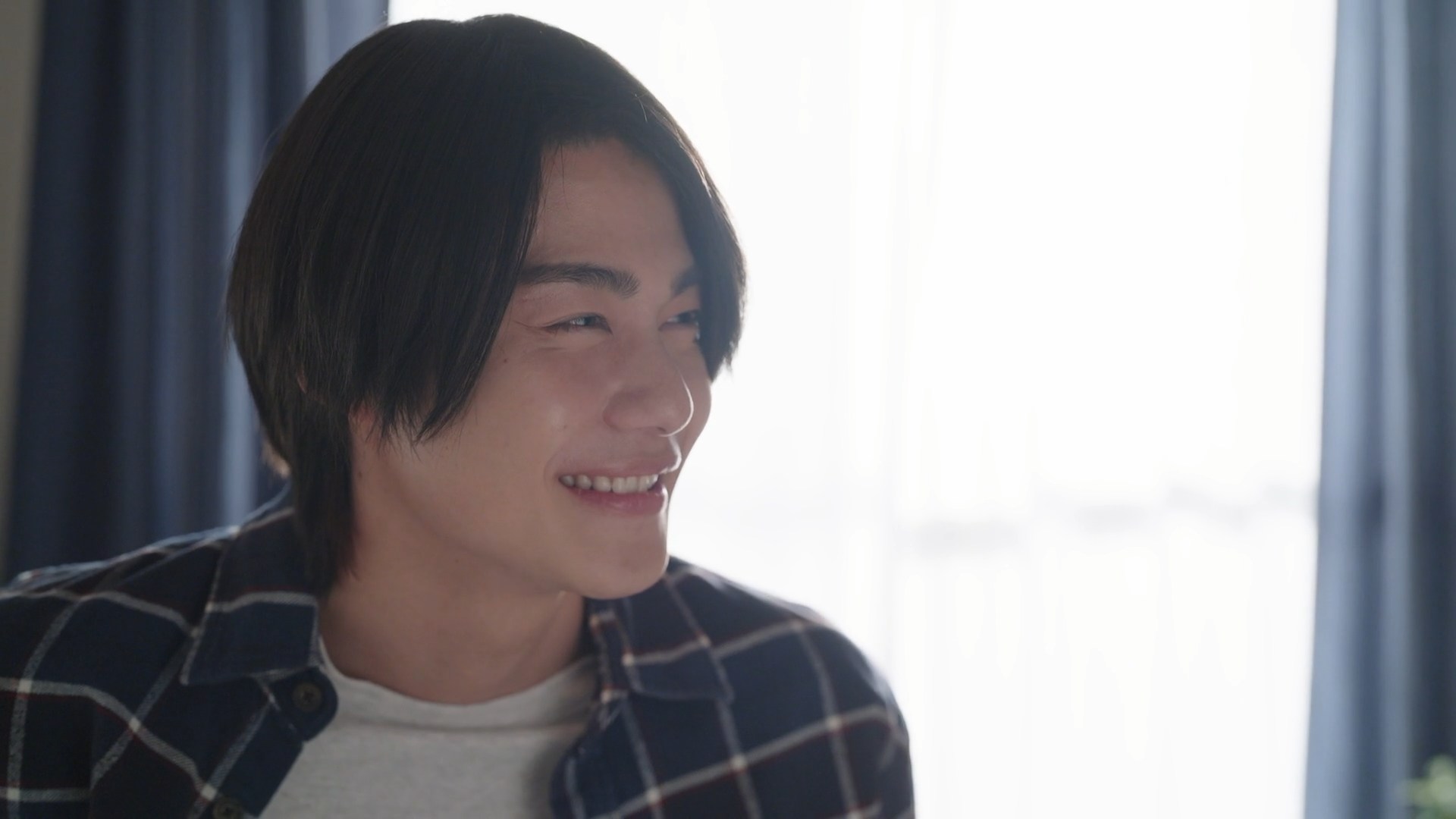
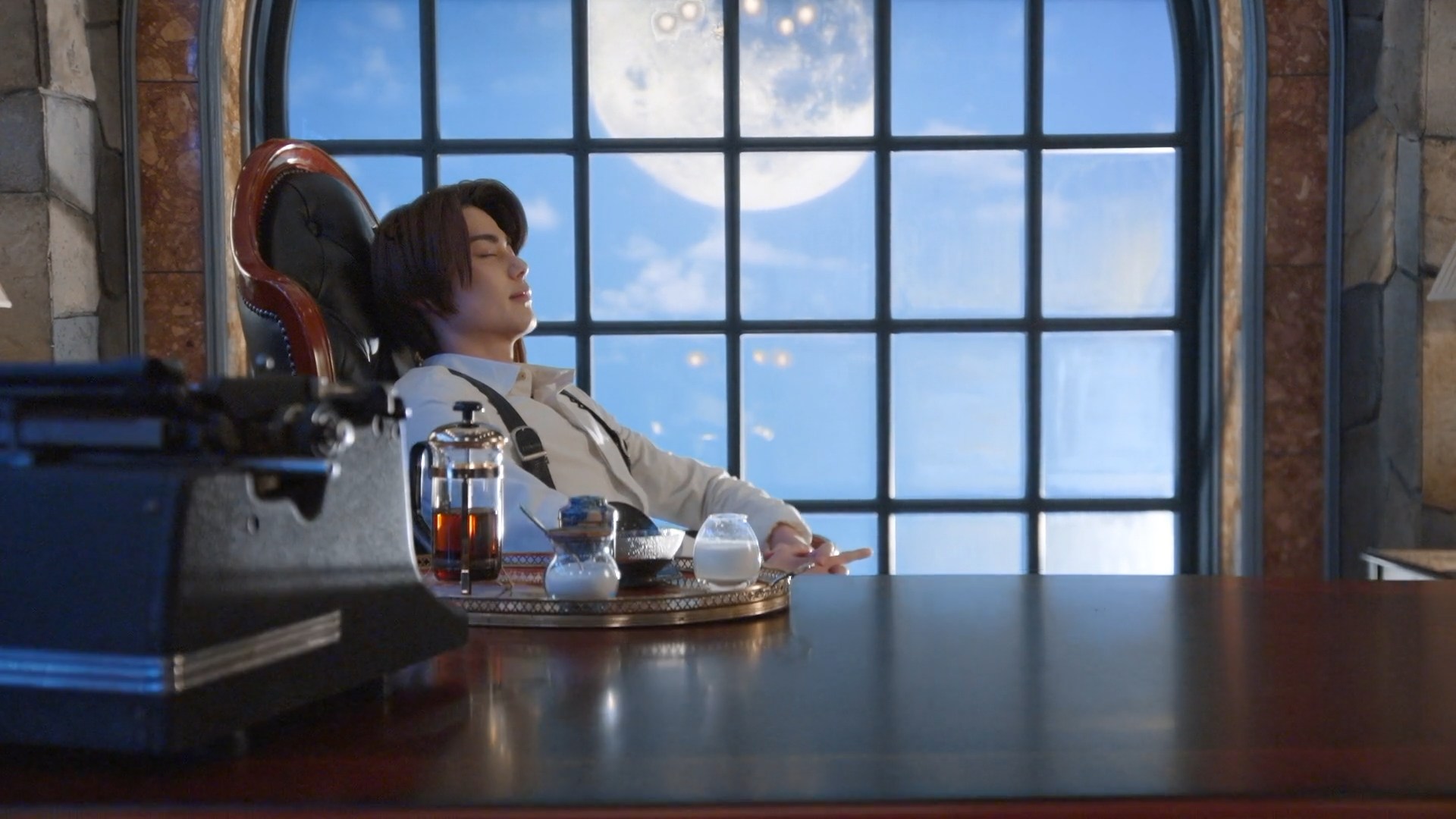
 “We are such stuff as dreams are made on, and our little life is rounded with a sleep”
Zigg’s Thoughts
I feel like for the past half-dozen or so Kamen Rider shows the major thesis of my wrap-up posts has been ‘Is it even possible to make a good Kamen Rider show anymore?’. Granted, the franchise has never exactly been consistent on quality, but the past decade or so has seen a particularly bad patch for the tv shows, strangled by excessive merchandising, the related explosion in named Riders, and an increasing focus on spin-offs and tie-ins cleared aimed to bolster the income from the shrinking audience share. That’s not to say there have not been good moments, but I’d broadly say that the trajectory of the franchise has been downward, much to my disappointment. Last year’s Kamen Rider Gavv gave me some hope however, blessed as it was with a fun cast, strong story, and a welcome return to some of the historic dark iconography of earlier instalments. Despite being ultimately sabotaged by its horribly clashing aesthetic and the related struggle between lighthearted and sinister elements, it was an encouraging sign that the show had begun to rerail itself from the flop era it had been struggling through.
Nothing could give me greater pleasure then, than to say that Kamen Rider Zeztz is the fulfilment of that promise and then some. It builds on what Gavv did right and then adds to it, featuring a strong central story that finds a way to naturally escalate the threat level, a compelling cast of characters both goofy and serious, a high-concept premise that is played with and exploited for maximum dramatic value, and an overall feeling of solid plotting and carefully choreographed character arcs that’s a world apart from the often slapdash, on-the-fly feeling of recent instalments. What’s particularly impressive is that Zeztz manages to keep all of these elements in balance, resulting in a show that exemplifies what we love about toku – cheesy but still dramatic, cheap but still exciting, silly yet still dramatic.
 I think the key factor that ties all of Zeztz‘s strong points together in such an efficient way is the approach it takes to its core idea. It’s not unusual for a Kamen Rider show to have a high concept idea at its heart, but the degree to which each of them chooses to develop that idea can vary wildly. Zeztz turned out to be a show that embraced its premise wholeheartedly, and frequently returned to the idea of dreams and reality as both a motif and as an active plot element. While necessarily more simplistic than something like the multilayered realities of an Inception, the show still frequently plays with the idea of dreams as an inner world and a parallel reality which can affect our waking existence in various ways.
It even occasionally uses the dichotomy to play fourth-wall bending medium games, most (in)famously with the twist which culminates the first half of the show, revealing that the first twentysomething episodes were in fact all a prophetic dream that hasn’t (yet) happened in the real world. While I understand why some people felt cheated by this twist, personally I thought it was a tremendous, bravura piece of storytelling that swerved the audience while still setting up important character and plot beats that the show could lean on going forward. Indeed, while this theoretically should have reset the story back to zero it instead only accelerates from this point onwards, since all the characterisation that happened in the first half is still valid, even if the events are not, and indeed racing to prevent the events that Baku dreamed of becomes a key aspect of the plot going forward. Aside from its use as a plot device, the focus on dreams also is an important thematic anchor for the show, the motif of making people’s dreams come true being a guiding star for both the heroic and villainous factions, and a strong central tenet to build the moral struggles of the characters around.
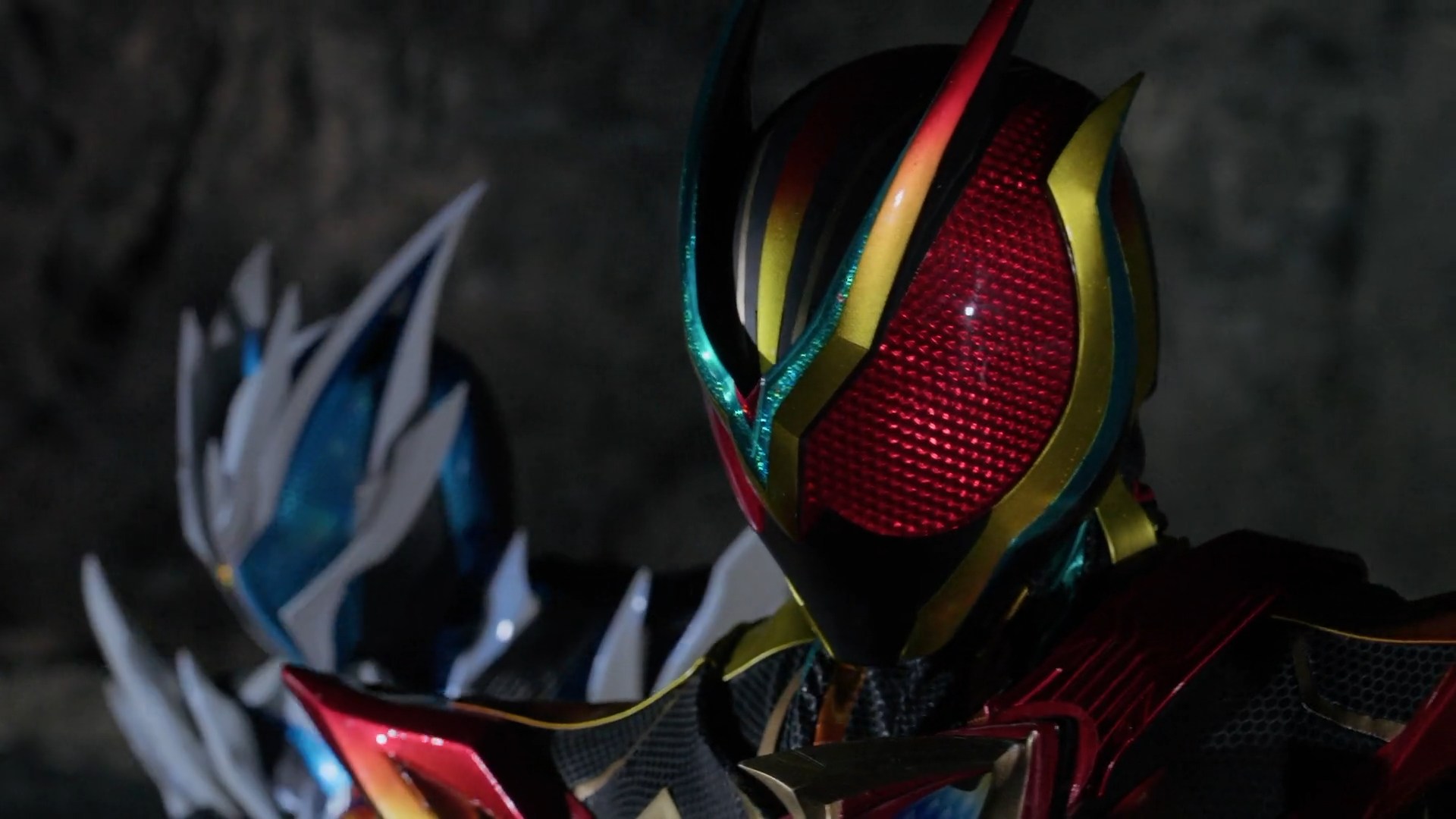 Speaking of the characters, they’re another thing I have to give the show credit for. I was worried about Baku being another anonymous everyman for the first stretch of episodes, and I don’t think he ever quite escapes that slight whiff of blandness that characterises so many Kamen Rider protagonists, but the writing also does a great job of giving him greater depth as the show goes on. Ryutaro Imai wisely keeps the ham under control most of the time, making Baku a fairly realistic character on the tokusatsu grading curve, and he’s pretty adept at switching up his performance between the character’s charismatic super-spy and bumbling oaf sides. For my money however the standout star of the show is Yuki Furukawa’s Nox, pairing an iconically ice-cold performance with one of the most extensive and effective backstories we’ve ever had for a supporting Rider. Indeed, the conspiratorial web which ties together Nox, the secret agency CODE, shadow villainess The Lady, and basically every other named character, is in some sense the actual main story of the show, which is expertly unravelled in tantalising snippets of story as the show goes on.
The careful planning and interwoven relationships do a great deal to add the feeling of claustrophobic conspiracy necessary to make the show actually feel like the spy thrillers it’s imitating. That extends to Maho Horiguchi’s role as Nem, the arguable lynchpin and catalyst of everything that happens in the plot. I’ve heard criticisms of the fact that the main female character is once again relegated to a story McGuffin, something that the series seems to have consciously tried to avoid or downplay in recent years, and I don’t think those criticisms are invalid. However, I’d also say that as a character Nem is much more interesting and impactful than the parade of crappy cookie-cutter female Riders we’ve experienced in recent years, so I think that takes the edge off of that particular point at least a little bit. Certainly Nem is a likable and engaging presence who never feels like superfluous baggage, but having her get a little more active agency would certainly not have been untoward.
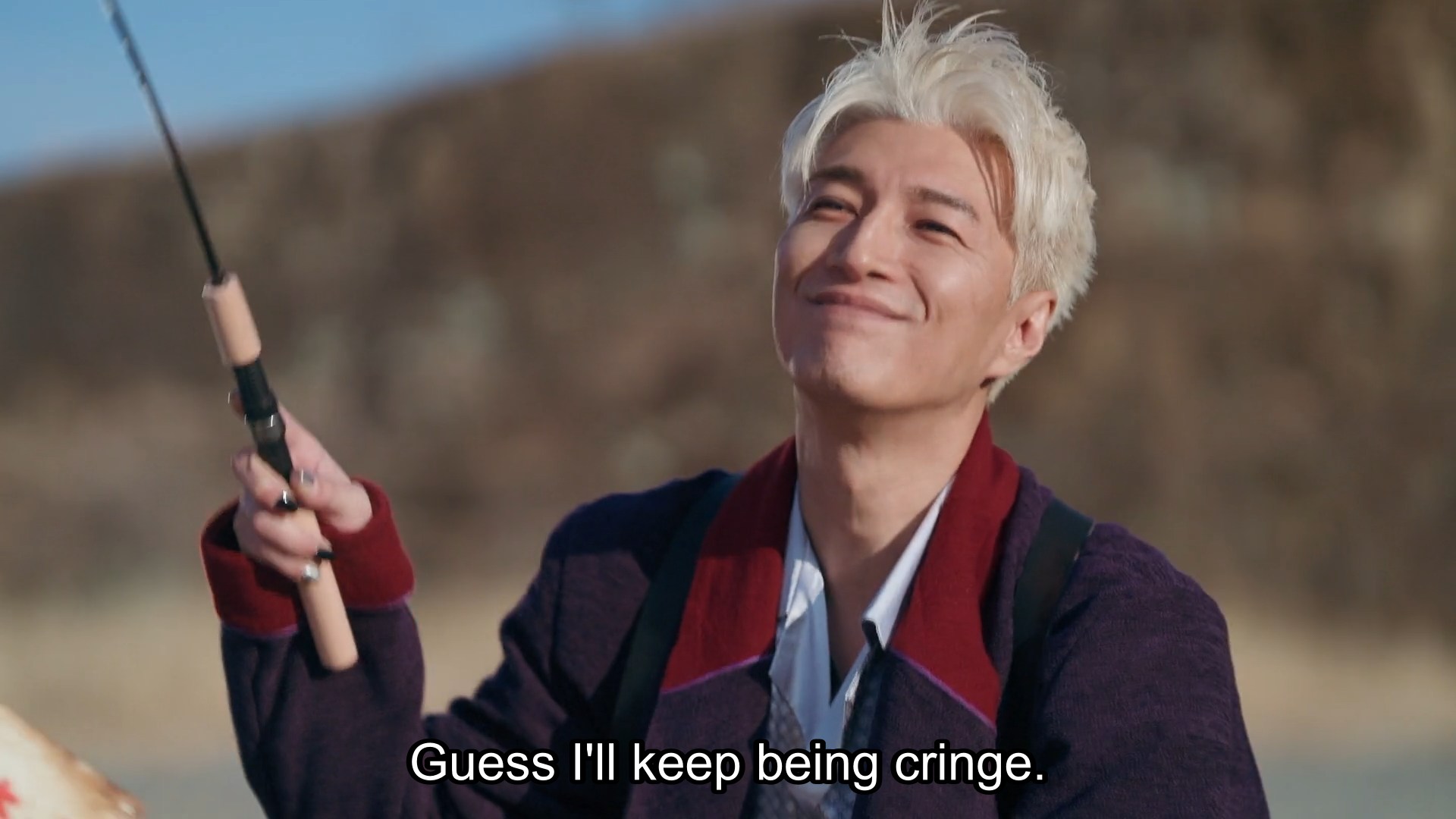 The biggest surprise for me when it came to the cast was Sieg, our third Rider and obligatory bad-boy-turned good. This type of character is one of my least favourite tropes – the deliberate ensemble darkhorse, the character obviously written to be the breakout fan favourite. He’s violent and dangerous, but also at the same time quirky and wacky! He’s The Joker but what if you could fix him! I despise this type of targeted bait character…..and yet somehow it works here. A huge part of that is Rider veteran Kousei Amano’s terrific performance, which he modulates just right to keep the character crazy and goofy without ever going fully into slavering, mugging-the-camera mode. Likewise, the script keeps Sieg right on the tightrope between serious character and joke, never taking him too far in either direction as to render him a charicature. The result is something a little more notable than the bog standard psychopath, with an arch sense of humour and, again, that critical link back into the main conspiracy storyline.
The leads are backed up by a really rather excellent array of supporting players. Fujimi and Nagumo’s role as an ersatz Mulder & Scully fits them like a glove, with the pair ably pivoting between comedy and drama depending on the circumstance. Jay Kabira’s Zero is a real scene stealer, no little thanks to his wonderfully camp English, but even he gets some character development to get his teeth into, and is himself ably bulwarked by Yuki Tamaki’s Nosferatu-esque Agent Three. Rie Mimura deserves a special mention as The Lady, convincingly portraying the character’s desperate degeneration from smug puppet master to psychopathic monster, and her ultimate fate is one of the more genuinely emotional scenes that this usually very silly franchise has managed to pull off.
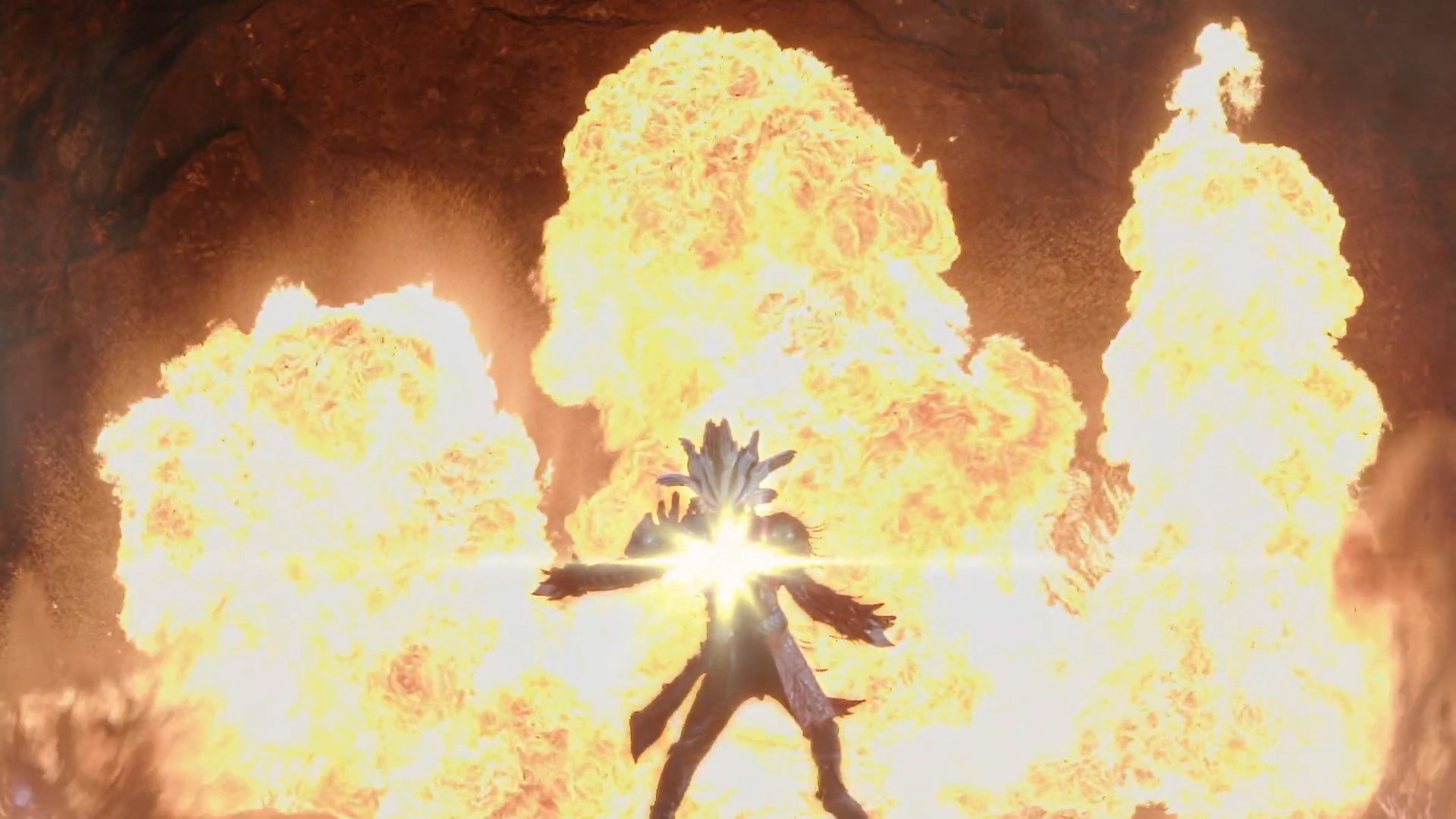 Zeztz also benefits considerably from significant advances on the tonal and structural front. While we still get the expected parade of gacha-style powerups (he even pulls them from a literal gacha machine for goodness sake) the production seems as eager as I was to get them out of the way as quickly as possible, and downplays them extensively until super forms allow them to be dispensed of entirely. The reduction to only three major Riders also gives the story much more room to breathe, giving us time for things like, you know, character development and worldbuilding, as opposed to and endless parade of toy shilling. You could probably argue that Five and Six deserve to be counted as Riders too, but they are rightly much more focused on as characters outside of the suits, with their position as agents and heavies emphasised over their tenuous Rider-dom.
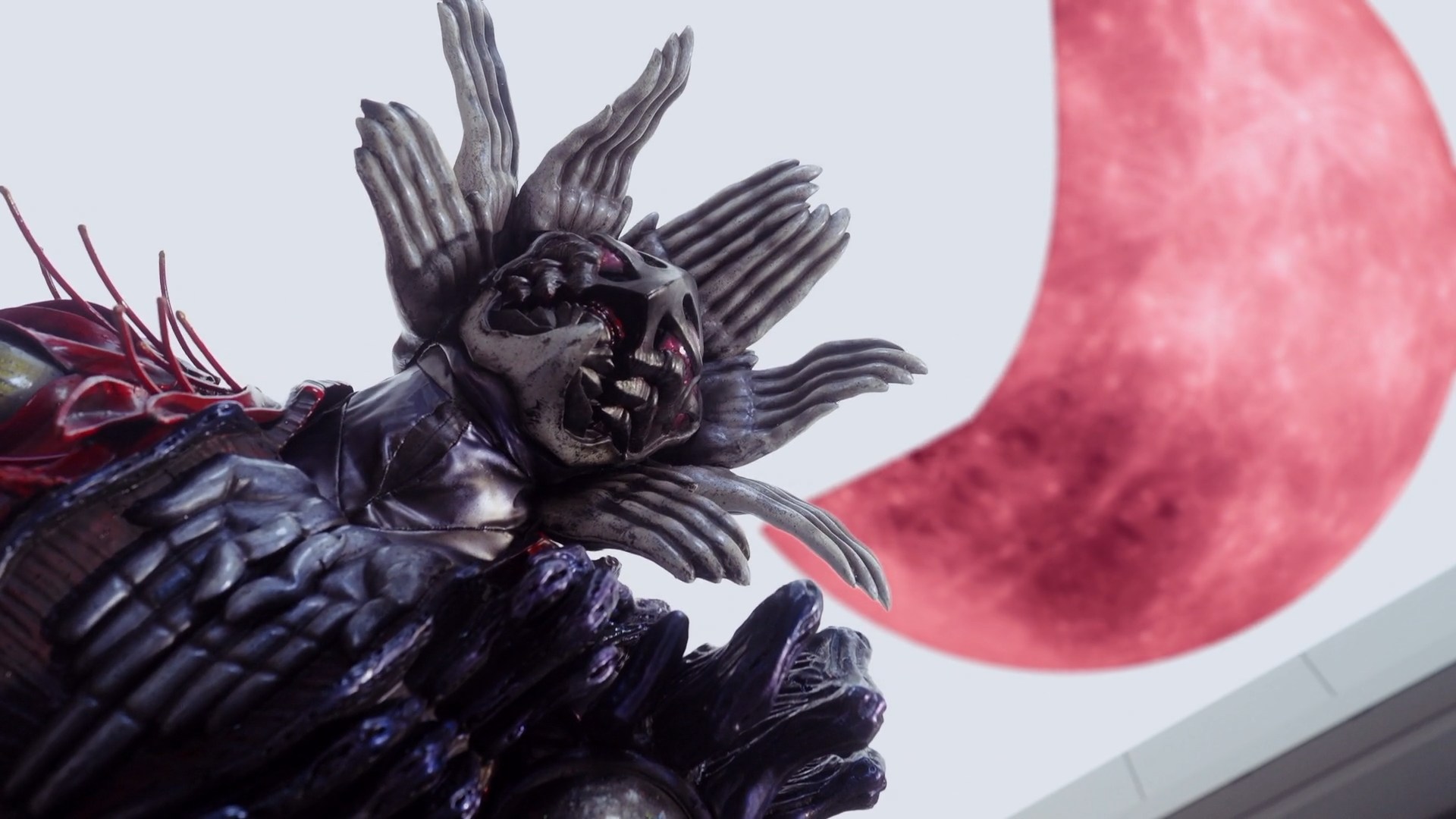
Additionally, Zeztz largely clamps down on what’s been a major problem in recent Rider shows by presenting a smooth, logical and easy to follow escalation of threat. This is something even the much improved Gavv struggled with, bouncing around on villains of seemingly equal threat before belatedly committing to one as the final boss. Here the pyramid of dangers rises fairly naturally, from Nox, to CODE & The Lady, to finally The Four Nightmares, each new antagonist naturally being set up out of revelations from besting the previous one. It all adds to the feeling of the story as a well-planned, tightly operating machine, as opposed to the often haphazard swerving and violent plot pivots of other recent instalments.
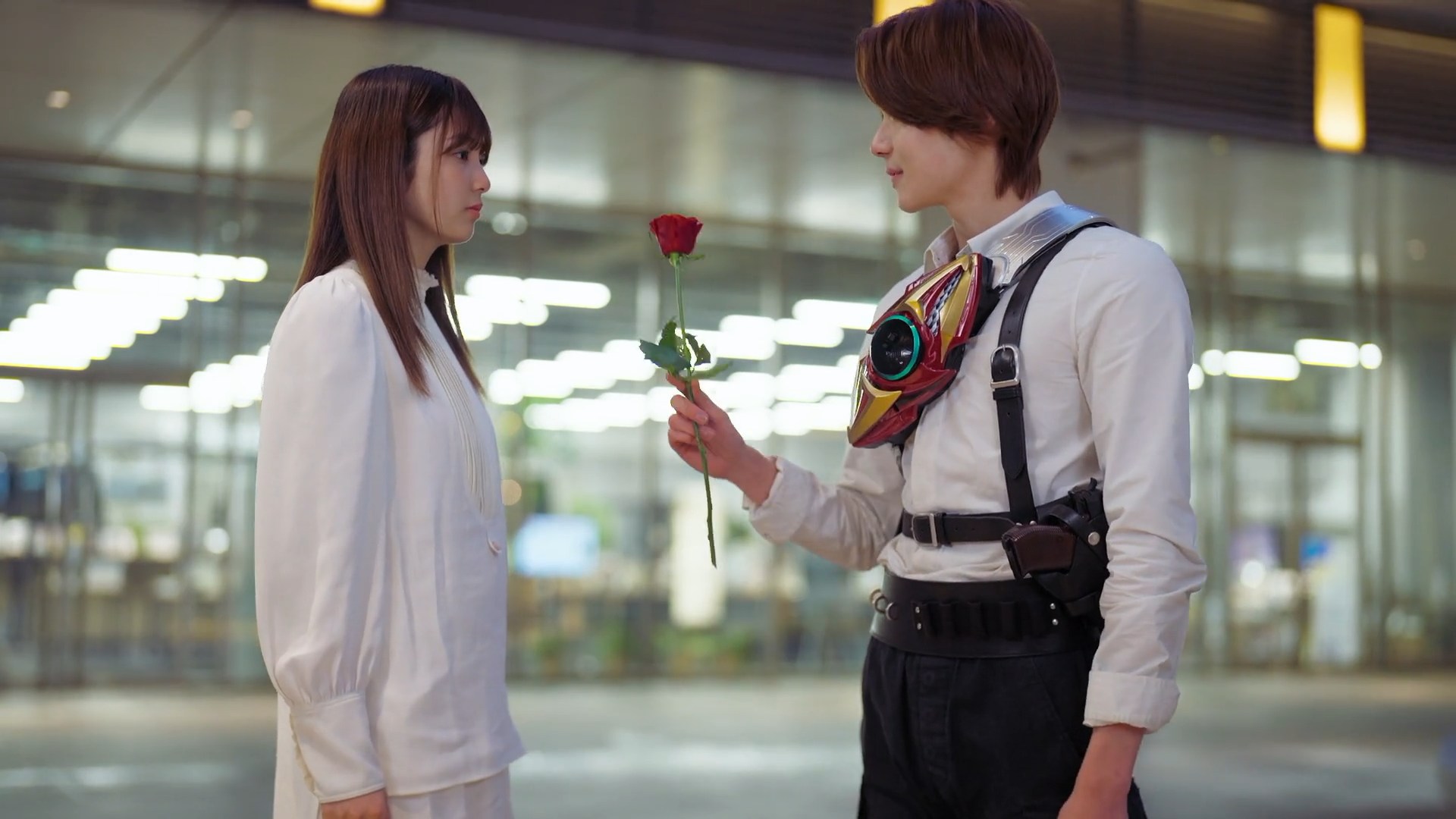 Visually we’re keening fairly closely to the established Rider house style but with some welcome tweaks to the formula. The more inventive, dynamic fights and camera work of Gavv largely carry over, though there’s thankfully some moderation in the use of the awful drone shots that have become too common in the past couple of shows. Suit design is largely pared back and despite my reservation in the First Look post the look of the all-cloth suits grew on me, though I still think that the most sucessful suit on the show is Zeztz Exdream, which largely reverts to the plastic/rubber armour look that has characterised most of the Heisei and Reiwa eras. There’s also by and large good deployment of special effects, with an avoidance of too much pure greenscreen, and when CGI does have to get involved it’s normally at least in service of interesting or ambitious shots. I would always prefer more practical work but I acknowledge that ship has largely sailed.
Zeztz isn’t a perfect show and there are certainly things about it I could nitpick – the aforementioned Nem issues for example, or the time-honored Kamen Rider tradition of falling apart a little in the final stretch – but it’s hard to focus too much on that when the good stuff is really so good. For the first time in a long time a Kamen Rider show feels like a complete contiguous experience, a story mapped out from beginning to end that feels like its number one priority was in fact telling a great story. That level of coherence and commitment to craft was something I was genuinely unsure that we would ever see again in a Kamen Rider, and it’s a timely reminder of just how good that old-time tokusatsu can be when you take it seriously and everybody puts their all into it. For me this is the best Rider show of the past decade, and maybe even beyond that. It’s nice to be proven wrong sometimes. Sweet dreams everyone.