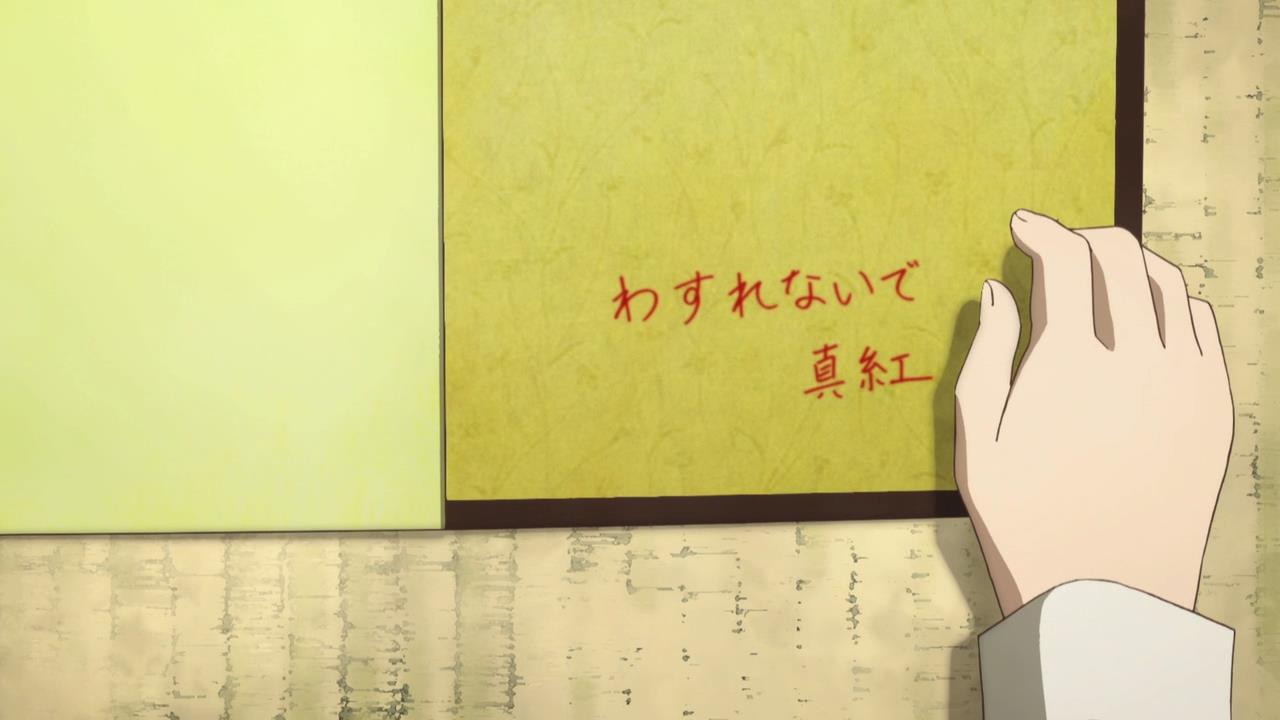
Recap: Both Juns try to re-adjust to normal life, but now it may be the wound world that is threatened…
 Zigg’s Thoughts: What a thoroughly weird way to end a thoroughly weird show. Granted, I was aware that the manga continues beyond this point, but you would have thought they’d attempt to at least resolve a few of the dangling plot threads. Instead we have something that doesn’t even attempt any sort of meaningful wrap up, either narratively or emotionally.
The initial part of this episode builds upon a decent idea – Unwound Jun’s reintegration into society and how his experiences have changed him into a better, more confident person. There’s some fun touches here, like Saito’s brother pouring alcohol into his drink or Saito and Jun’s laughing breakdown over the manager being a jerk once again. Problem is, there’s not enough meaningful change to appreciate, or at least not enough that we see. Jun mentions he now has emails from friends in the troupe and university, but we never see him attempt to mingle in those groups. Likewise, his ‘advancement’ at work doesn’t give us what I wanted – namely for Jun to stick it to arrogant manager guy. Instead, we get a lot of dry dialogue with a higher-up in what might be the least effective presentation of triumph over a bully ever.

Perhaps the biggest disappointment is that there’s no meaningful advancement in the Saito/Jun relationship. I’m not saying we needed an anguished confession of love, but an acknowledgement that they’ve grown closer would have been nice. As it is there’s no real meaningful sign-off from either of them, and it would have been nice, even if it was just an acknowledgement of friendship, for the show to pause a moment and reflect on how they’ve gotten closer.
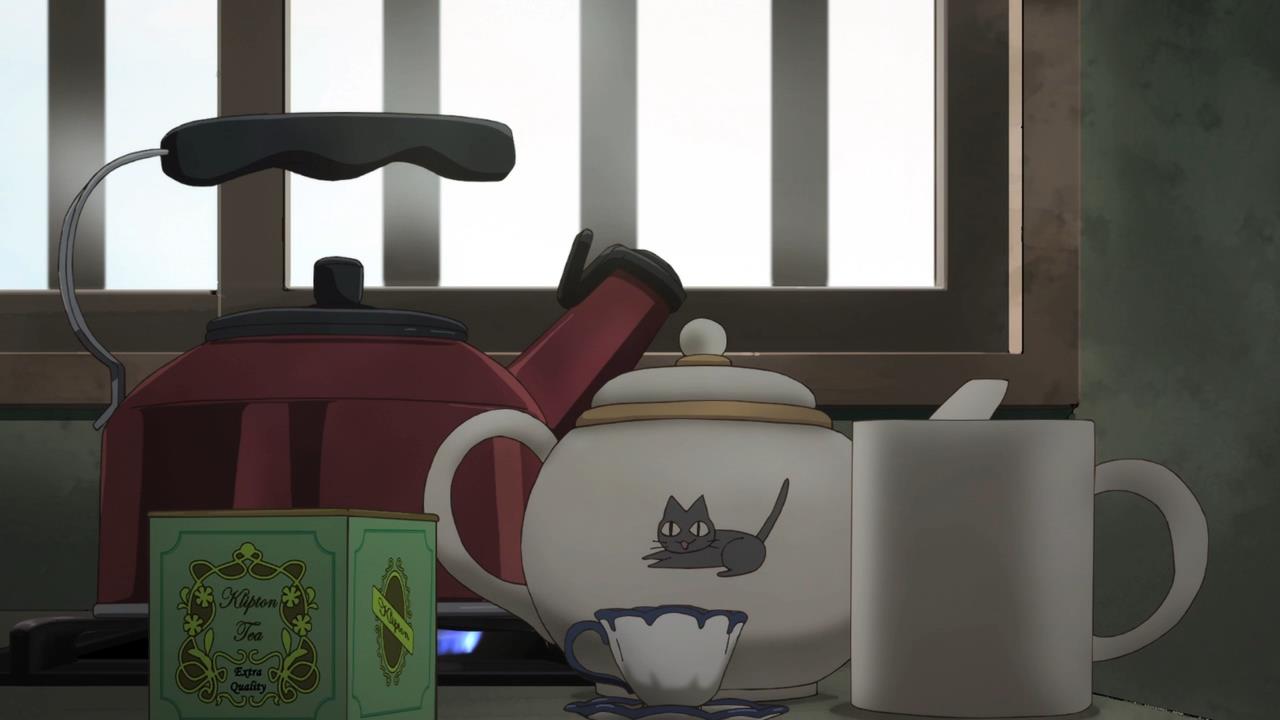
It’s the second half that was somewhat surprising, for better or for worse. After the sign-off at the end of the last episode I didn’t expect to be returning to the ‘Wound’ world again. There’s a brief, wonderful flash of nostalgia to seeing Nori making tea for the dolls and them sitting in the garden toying with the cat. But to set up another whole plotline just to create a dramatic cliffhanger? That’s bad storytelling to me. If you’re going to tease a new series, it should be integrated more elegantly into the climax. As it is here, there’s no ‘lingering possibility’, it’s essentially the beginning of a story cut short for time reasons.

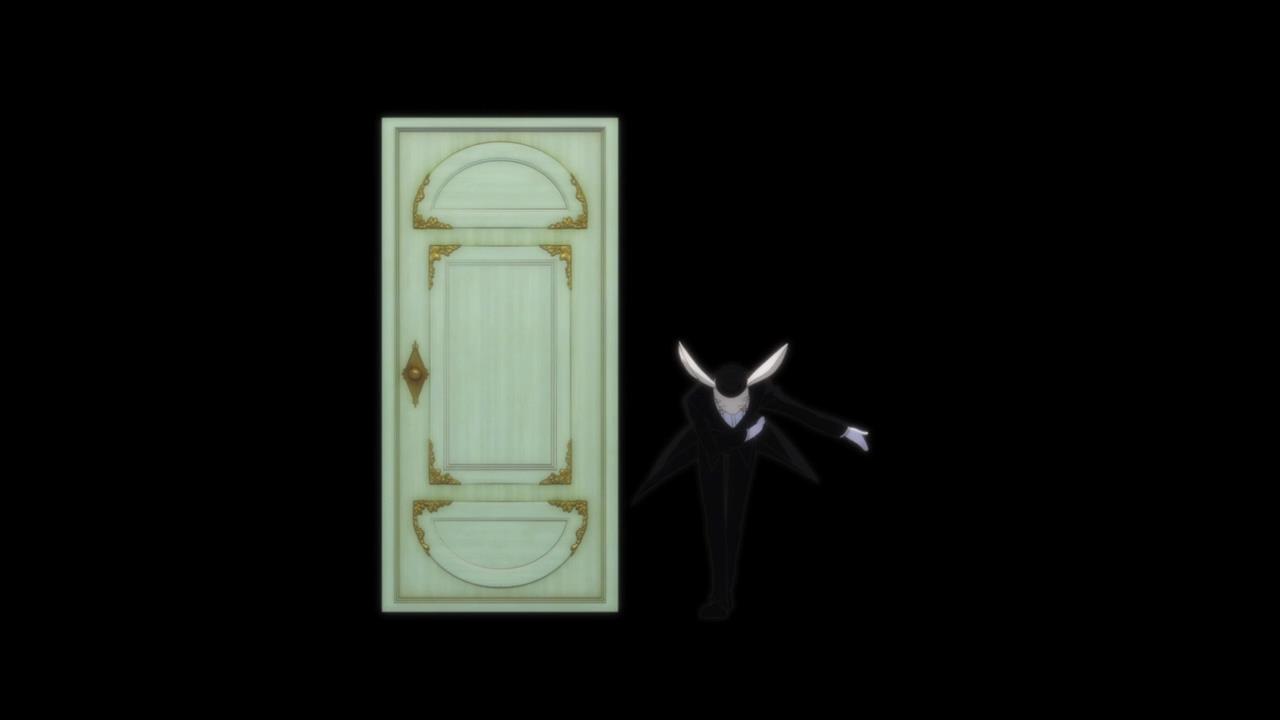
The combination of these two inconclusive arcs leads to an ending that’s…well, inconclusive. There are too many questions – why was Shinku’s farewell to Unwound Jun so seemingly final when they apparently have him on video speed dial? What’s the point of only vaguely alluding to Tomoe and Micchan throughout the series but then having them be key figures in this finale? If they’re interested in getting me hooked into more then it works admittedly, but I would have preferred some closure before we spin up again. I did like the symbolism of Laplace’s Demon closing the door and taking his bow though. For better or worse, this play is over, and the performers are at rest once more.
Random Observations
- As predicted, no payoff on the Matryoshka dolls fairy tale.
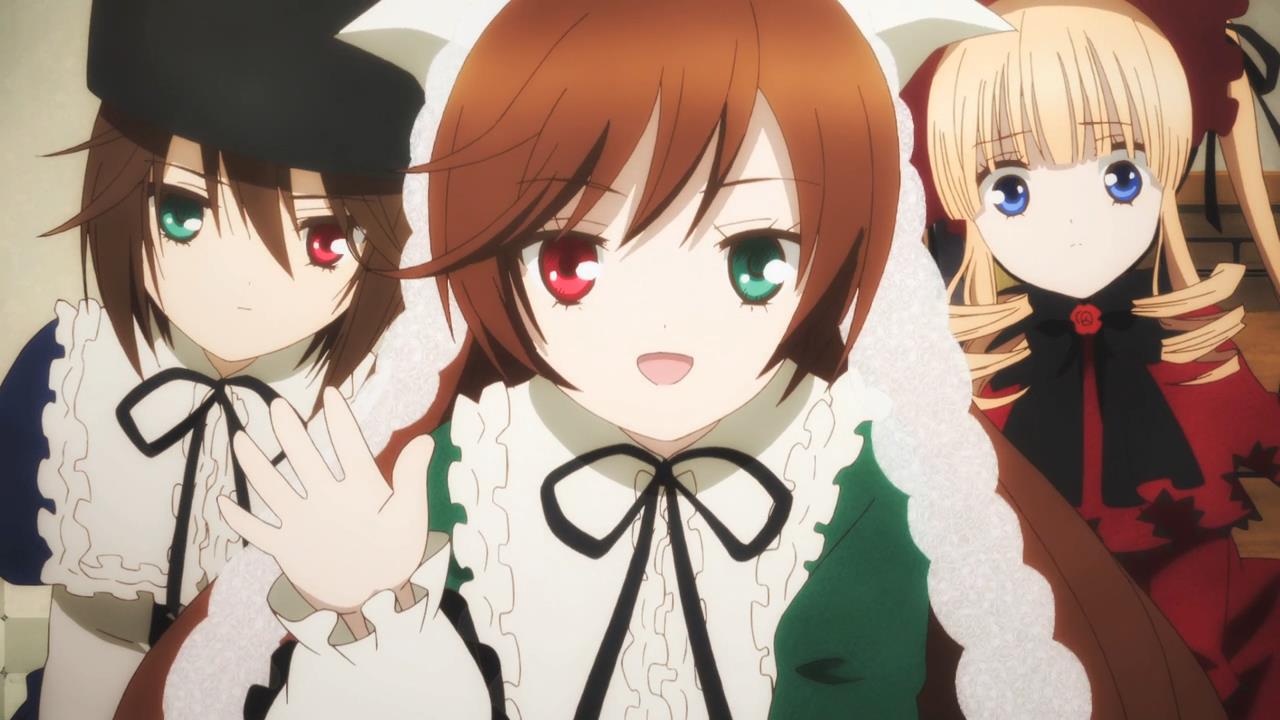
- As much as I enjoyed our brief return to the Sakurada household, seeing it done in this show’s dull, flat style was something of a downer. It’s also just not the same without Hinaichigo.
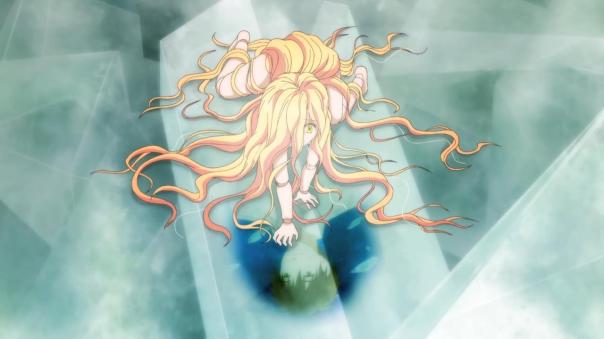
- The new, more ‘doll-ish’ Kirakishou is made of nightmare fuel.
Final Impressions
I was rarely anything but disappointed by this show, and yet I kept watching all the way to the end. What does that tell you? Well primarily that I have a strong attachment to the franchise of course. But there definitely was something about Rozen Maiden that kept it interesting. It’s just sort of difficult to say what.
I think that the show is at least well intentioned, and the cleverness of the parallel universe concept is appreciated. But all along, its confused identity as a sequel/reboot/neither held it back. The awful decision to try and expodump volumes worth of manga in the first episode set a bad precedent for the show to come, and indeed it’s a story which struggles to find true identity.
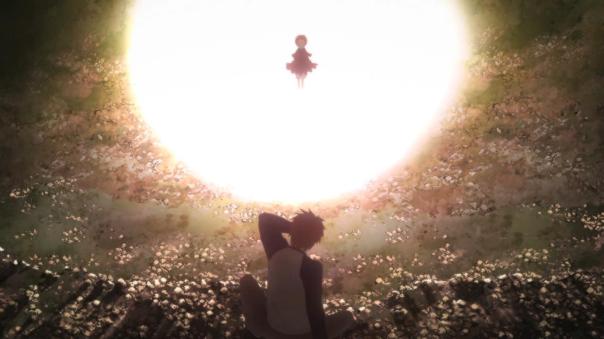
Most of this, I think, is a function of the characters, who are bland and fail to bring much life to their roles. The idea of showing a grown up Jun who never overcame his problems is interesting but at the same time inherently sort of depressing. There’s little to mark him out or make him likable either – he’s dour, indecisive and easily manipulated, and while there’s flashes of humour and life in his catty interactions with Shinku, I never really felt close to him. His epiphanies towards the end feel unearned and I was frustrated by the lack of progress he makes with Saitou or any of the other characters.
There’s also something missing from the dolls, though it’s difficult to pinpoint exactly what. Shinku still feels interesting and amusing, with Miyuki Sawashiro delivering another ace vocal performance to perfectly sell the character. But there’s something off about Suigintou, despite Rie Tanaka’s best efforts. Her antagonism is neutralised, leaving her interactions with Shinku free of any real bite or substance beyond childish bickering. I do think the show improves when the other dolls show up in dribs and drabs, but the fundamental feel of an ensemble is missing.
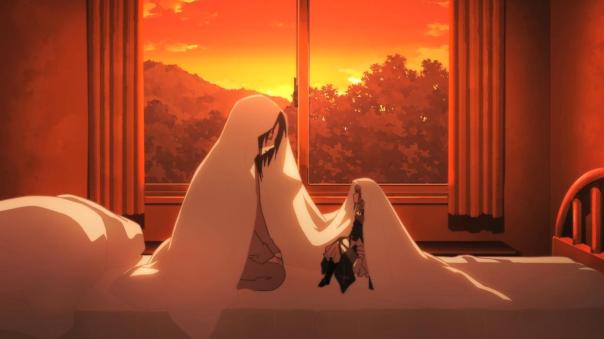
It doesn’t really help that the show feels so very joyless a lot of the time. The brief bits of comedy wackiness do occasionally raise a smile but there’s something lifeless feeling about the whole affair, and the show doesn’t successfully leverage that into creepiness or a foreboding atmosphere enough. Instead, large chunks of it are merely dull, something not helped by the relatively glacial pace the story unfolds in the first half. The second half is better however, with a solid villain, more fantastical settings and the return of the absent Maidens keeping it interesting, if not exactly edge-of-the-seat material.
One thing which never grew on me was the way the show looked, a dull, flat parade of rotoscoped backgrounds and relentless brown. Though occasionally the muted palette works for the sombre mood they’re going for, too much of the time it seems to leech any sort of life out of what’s going on on the screen. The elegant gothic designs of the Maidens are reduced to simple blocks of colour and most of the action, such as it is, is close to embarrassing. The show attempts to compensate through good direction, and there’s several well executed scenes that benefit from well chosen shots, but it’s difficult to escape the frequent limited animation and off model character work.

Rozen Maiden then was a frustrating, often baffling show to follow. I was drawn to it because of the affection I hold for its forebears, but ironically that probably makes me the least likely person to appreciate this new incarnation. It’s a very different show, one that’s slow, often confused and difficult to root for. There is redeeming value to be found however in its strange melancholy and there’s a valiant attempt at telling a story of self discovery in there, even if the delivery is severely lacking in many ways. An interesting curio then, but I was hoping for a long awaited reunion with the characters I knew and loved. This isn’t that. It’s something darker and weirder, but also lesser in so many ways. Thank you all for reading, and let’s hope we meet again.


 The Glorio Blog