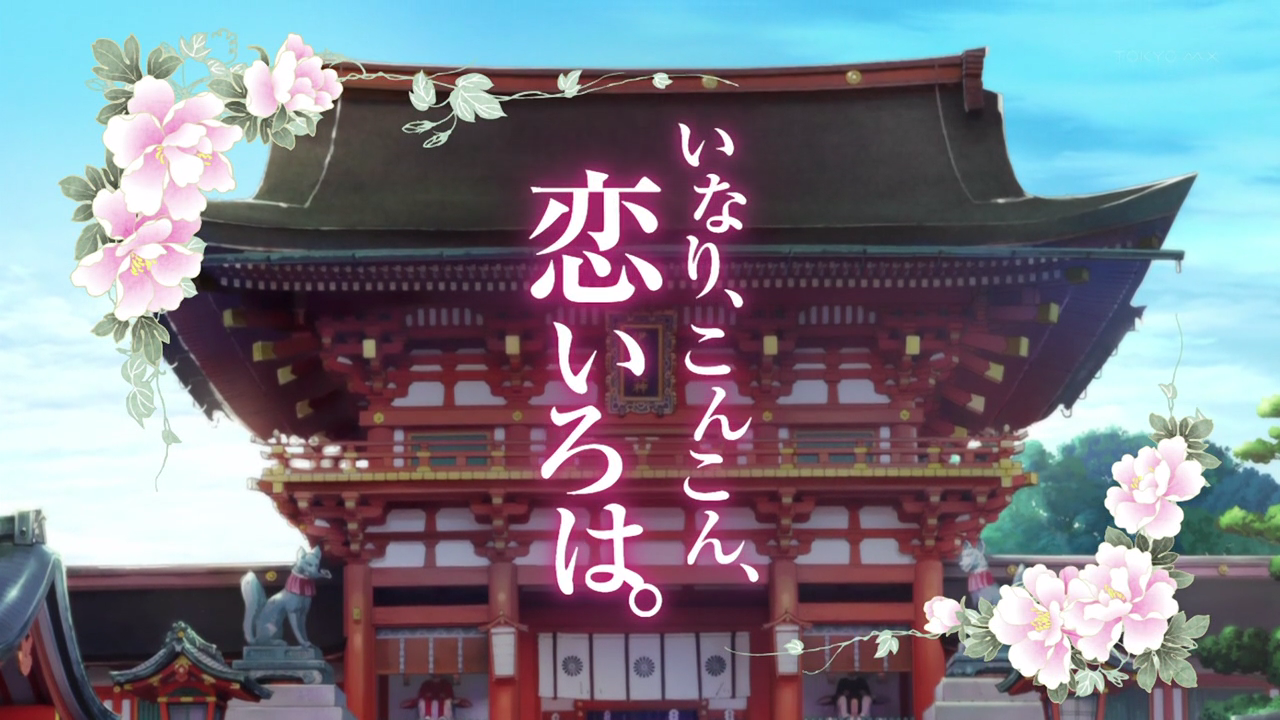
Manga adaptation by Production IMS
Simulcast on Funimation
Premise
Inari Fushimi is a shy, sweet girl with an unrequited crush on Kouji Tanbanbashi, one of the coolest guys in her middle school. When she saves a fox familiar from drowning, the goddess of the local shrine takes pity on Inari’s incessant bad luck, and decides to grant her wishes.
Aqua’s Verdict: Divine Delight
On paper, Inari, Konkon, Koi Iroha is the saccharine tale of a goddess who desperately needs to get her priorities straight, and gives up part of her powers to help some clueless ditz chase after a puppy crush in stead of, you know, ending all the hunger in the world or something. Yet as the manga managed to surprise me back when I first checked it out, so did the anime once again prove this show is a lot more than its premise might suggest. It’s a middle school romance, yet one presented through the idealistic eyes of a teenage girl rather than the wish-fulfilling ones of a bland male. The lack of a need for blatant audience proxies makes Inari into a character you genuinely want to root for: sweet, caring and actually deserving of the goddess Uka’s patronage, despite the rather flimsy motives behind it all.
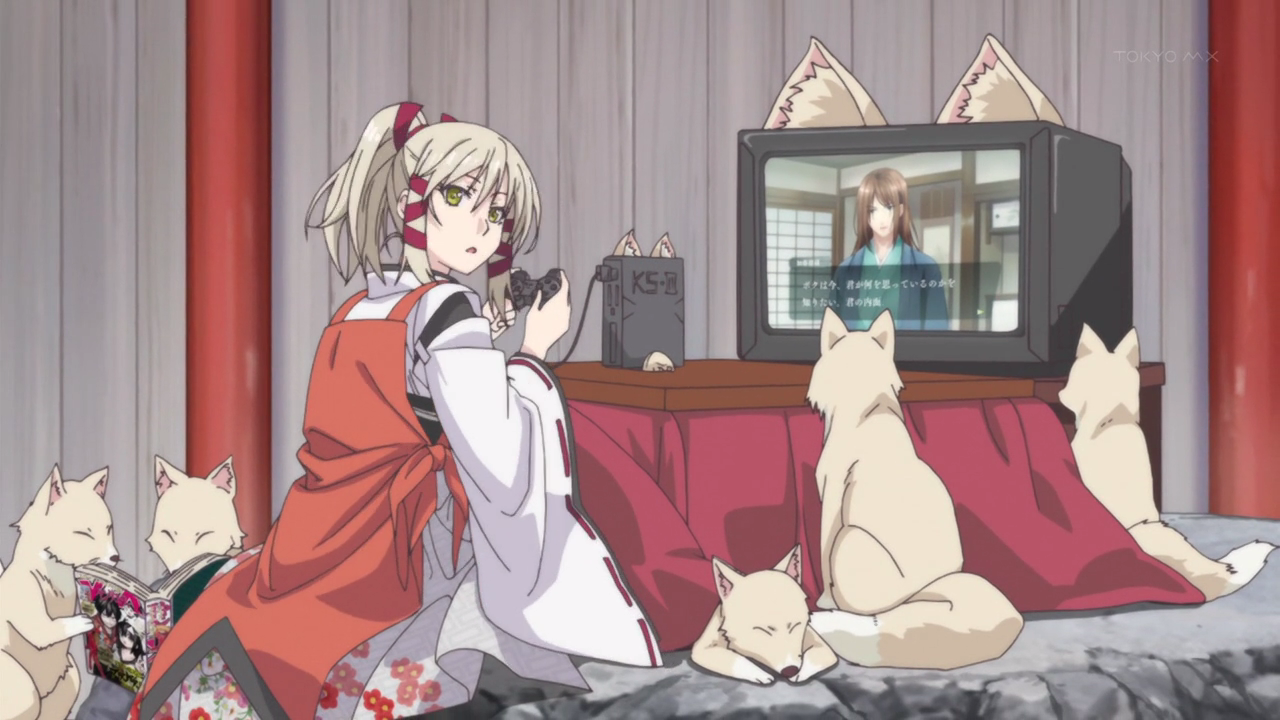
While Inari, Konkon, Koi Iroha may have originated as a seinen manga, it is clear where its true allegiance lies. Inari’s tale of first love is a shoujo story from before shoujo became about crippling communication problems and boys who don’t know what the word “consent” means, and it wears its heart on its sleeve — what with the magical girl references, jerk big brothers and obligatory best friends double act. Luckily, Keiko and Maru aren’t just there for the sardonic commentary, and Inari, Konkon, Koi Iroha goes to great lengths to show how much they care about their mutual friend in between shenanigans. The show never whiplashes between slapstick and manipulative melodrama, avoiding the extreme ends of the spectrum to make its overall emotional flow a noticeable lot less tiring. It’s little details like this that make Inari, Konkon, Koi Iroha so much more genuine and homey than a lot of its supposedly adorable — *cough Sakura Trick cough* — peers.
The biggest contribution to this nostalgic feeling, however, comes without a doubt from the show’s gorgeous visuals. While Inari, Konkon, Koi Iroha is by no means an outstanding feat of animation, its bubbly character designs, soft colours and breathtaking scenery contribute to the show’s overall sense of pleasantness. In the writing department, however, the show wastes no time to stop and admire its own beauty. The pacing is brisk — sometimes maybe a tad bit too brisk, especially near the end of the episode. You need to set up your premise in that first episode at all costs, I suppose, yet in most cases, Inari Konkon Koi Iroha‘s vivacity is a point in its favour. It’s one of the many little things that make this show so much more than the sum of its parts: adorable, delightful, relaxing or, as Inari’s geeky friend Maru would put it, totally “pwecious”.

Marlin’s Verdict: Cute and Quirky
I’ll admit I’m not a huge fan of “Using vast godly power for my teenage angst”. I find the idea that any god, even a minor one, would waste their time on the whims of an immature girl to be suspect at best. Still, despite that, I think they managed to make a pretty cute story out of this. What helped a lot was that the heroine reminded me quite a bit of Sawako from Kimi ni Todoke after becoming friends with Yano and Chizu. She has a core of good friends surrounding her, but she’s still awkward and unsure of herself. As with Sawako, there’s room for a great story about coming out of your shell and respecting yourself so you can realize what you want, though I do hope it goes a bit faster than that example.
One thing I was very confused about by the end was where the real Sumizome went. Did Inari get turned into Sumizome? If so, then that adds some really creepy vibes to the overall happy-go-lucky plot. If not, was it just that Inari’s body was made to look like Sumizome’s? In that case, that seems like half-assed wish fulfillment in the first place, as she wouldn’t actually be Sumizome, just a double. Also, that means Tanbanbashi still thinks Sumizome owes him money. That’s gonna make for an awkward conversation tomorrow.


 The Glorio Blog
While I really liked this first episode, I was also a bit confused by what Marlin pointed out regarding the real Sumizome – and it was all the more creepy given that our protagonist didn’t seem to spare a single thought for this question at all. On the other hand, I loved the general geekiness the anime went with for Uka’s character, and I also appreciated that although Inari is obviously head over heels for Tanbabashi, her friends apparently don’t quite understand the attraction. It would have been too much of a cliche if all the girls in the school had been crushing on him (as in Kimi no Todoke, along with countless other romance anime), so I’m really glad that this doesn’t seem to be the case.
A lot of people were confused by this, apparently, but yeah, she simply looks like Sumizome. The real one is still around. In the manga, Inari explicitly woke up in her own room to show this, but I guess they cut that part.